In-Class Tutorials
CCV offers a variety of tutorials to provide students with experience using Brown's HPC systems. CCV staff members provide students with an overview of the topic and guide them through a series of hands-on activities. Tutorials can range from the basics of using HPC systems to the use of specific applications on Brown's HPC systems.

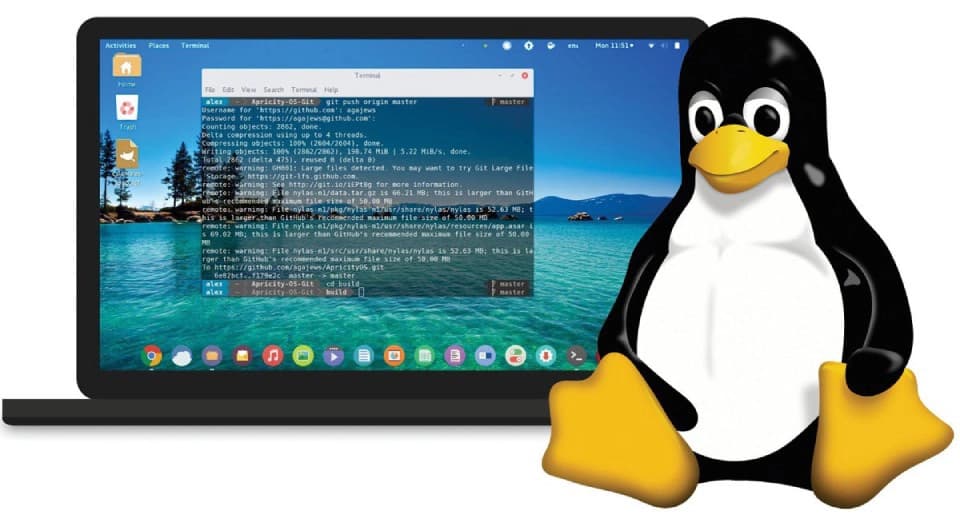
A practical introduction to the Linux operating system and shell scripting in Bash. Topics covered include: basic Linux commands for maneuvering within the file system and manipulating files, working with environment variables and paths, and basic shell scripting in Bash (variables, loops, pipes, etc.).
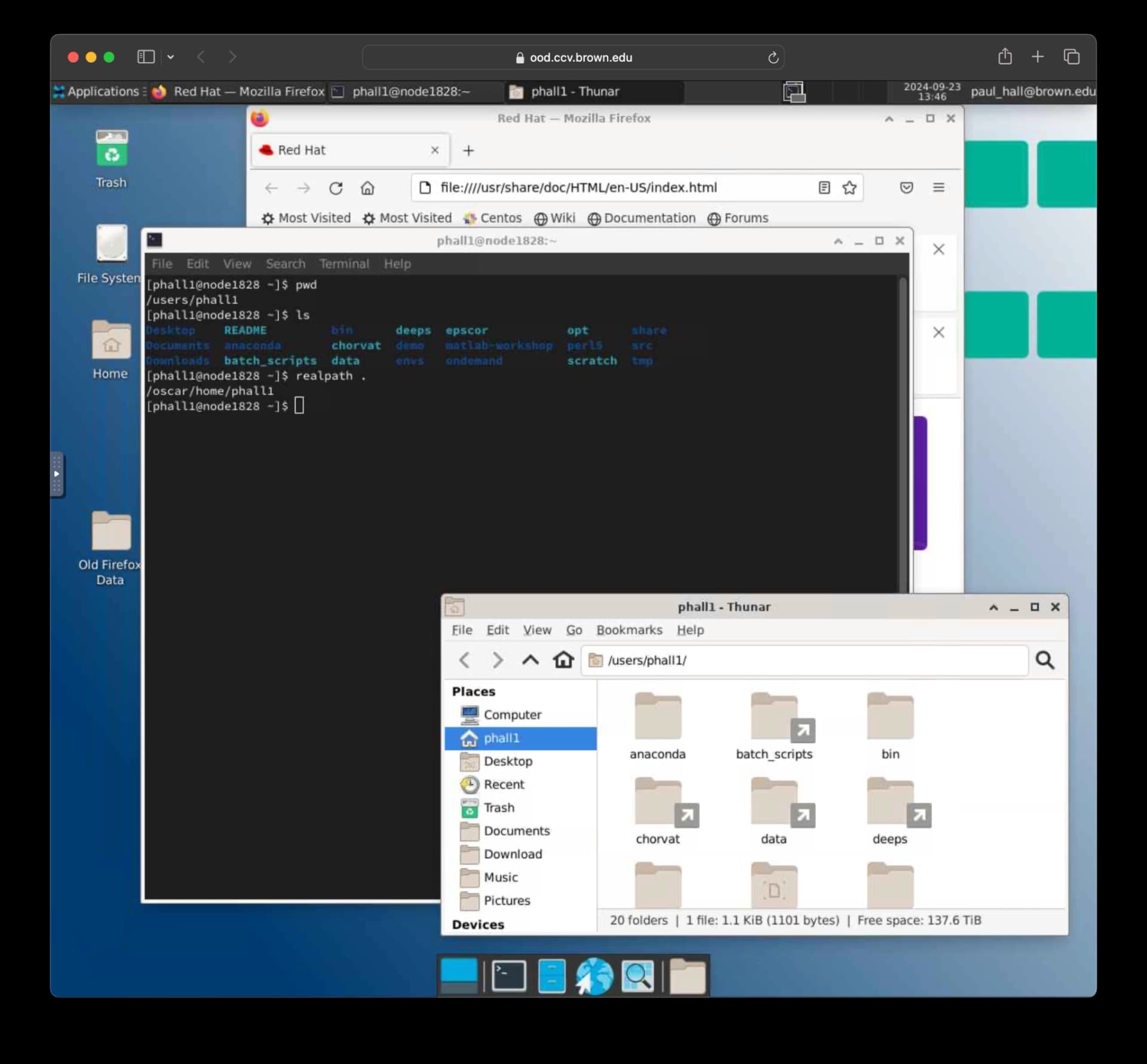
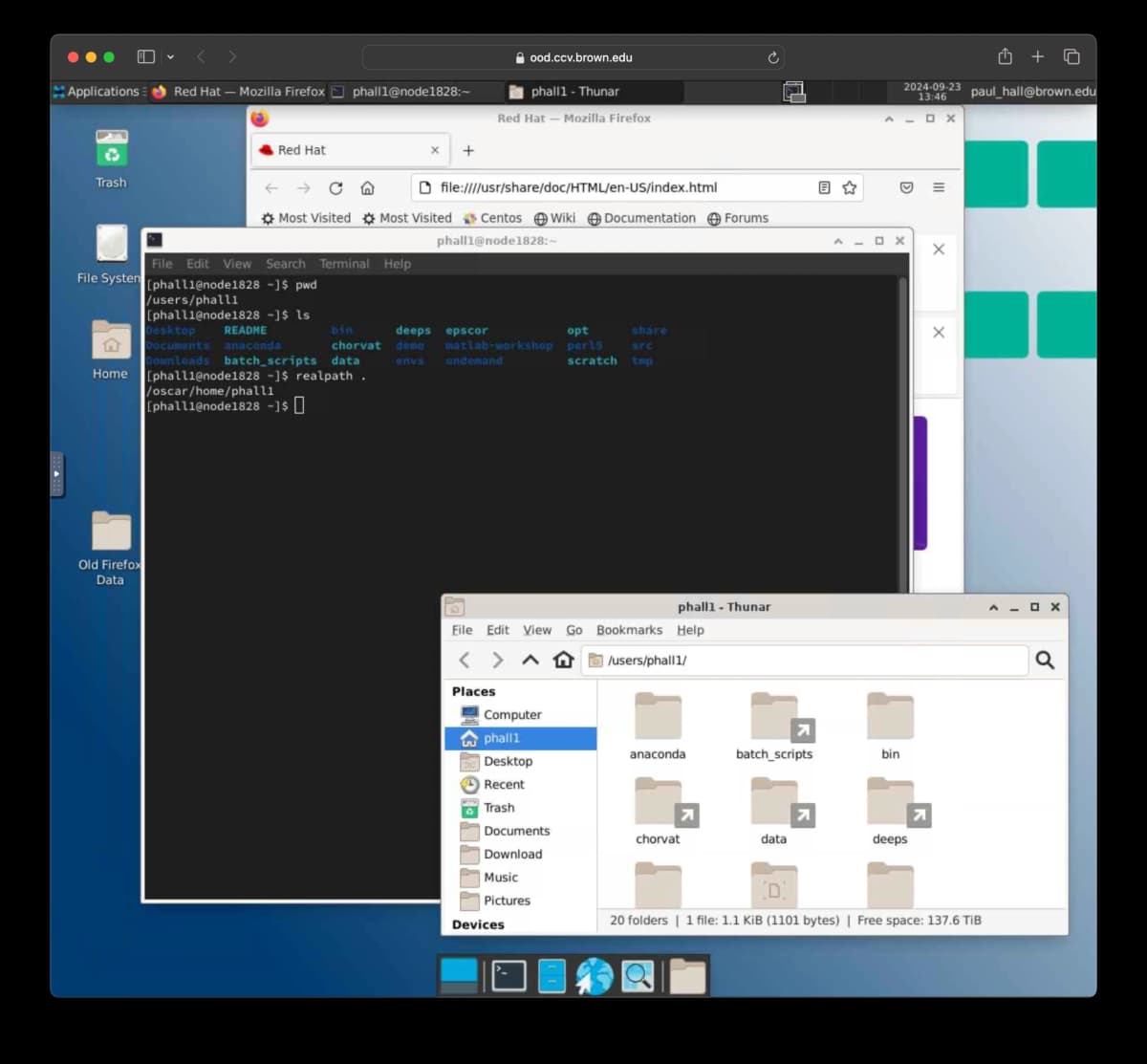
An introduction to Oscar, Brown's research computing cluster, for new users. Participants will learn how to connect to Oscar (ssh, VNC), how to navigate Oscar's filesystem, and how to use the module system to access software packages on Oscar.

An introduction to GPUs, the architectures available on Oscar, submitting, running, and evaluating jobs. Using nvidia ngc containers on Oscar for deep learning, installing or building python packages, and using docker to make changes.
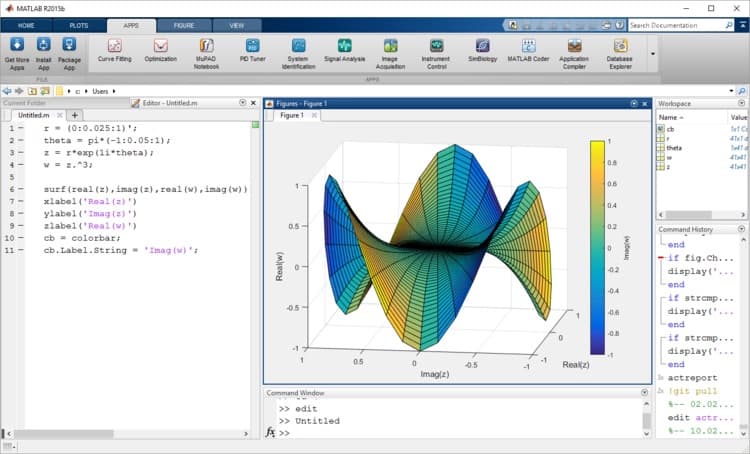
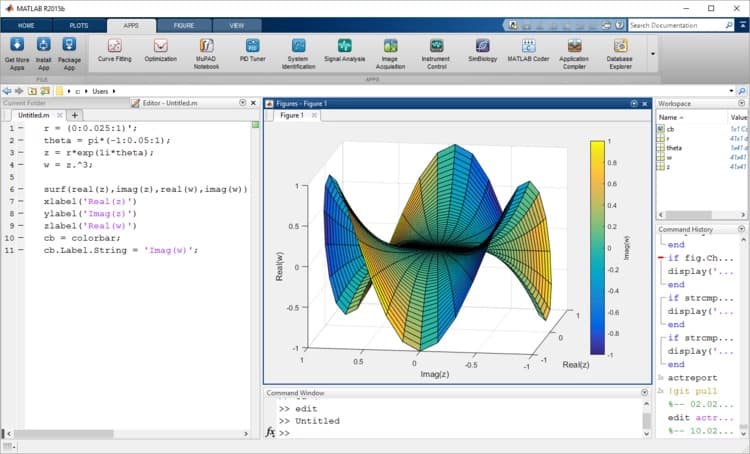
An introduction to MATLAB, a programming language for numerical computation and visualization. Topics covered include: basic MATLAB commands, working with arrays and matrices, plotting data, and using functions.
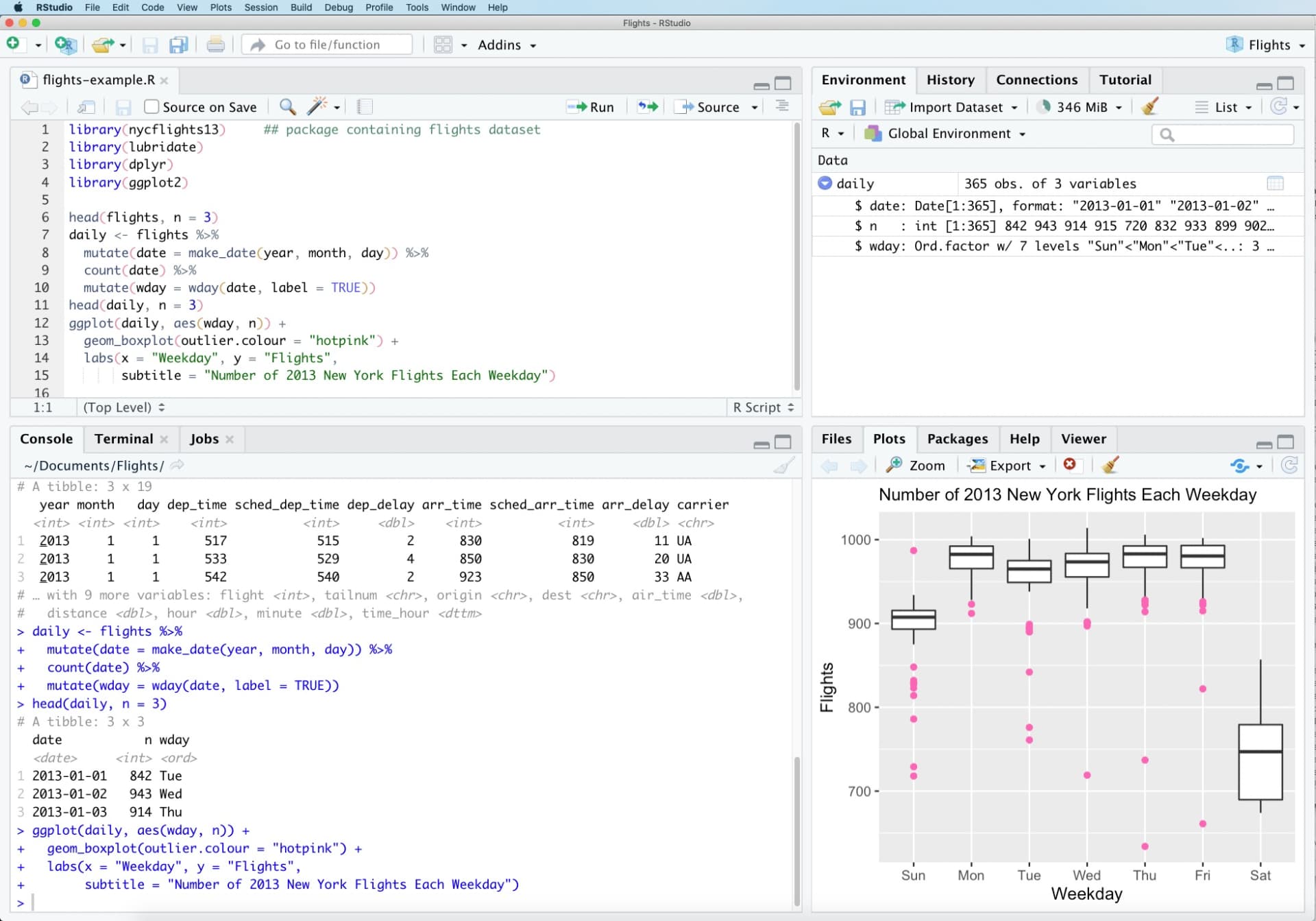
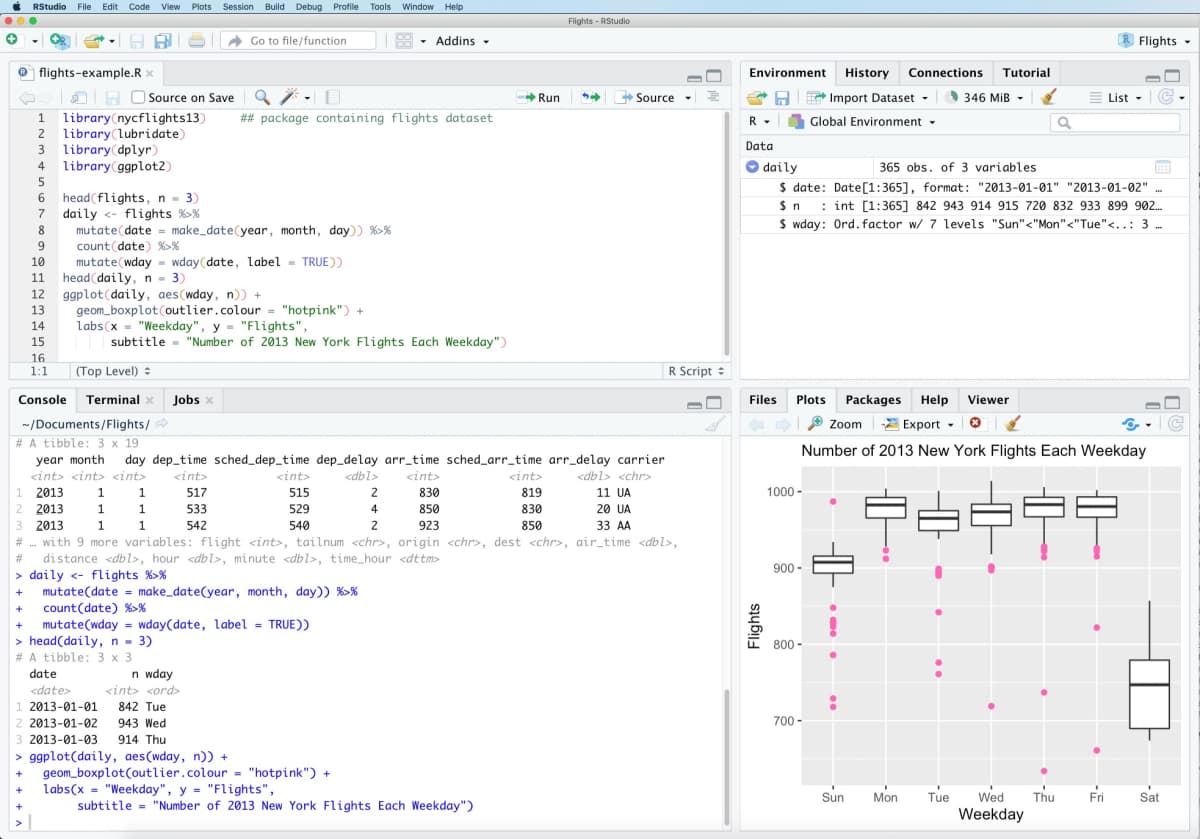
An introduction to R, a programming language for statistical computing and graphics. Topics covered include: basic R commands, working with data frames, plotting data, and using functions.
Student Accounts
CCV provides access to HPC resources for classes, workshops, demonstrations, and other instructional uses. We do ask that you follow these guidelines to help us better support your class.
- Provide at least two week's notice for new account requests and software requests. List all the names and emails of users (students, TAs, instructors) as well as the course number.
- The instructor and/or TA(s) are responsible for all software setup.
- Oscar is a shared resource, so access nodes and speed cannot be guaranteed.
Computational Notebooks
Computational Notebooks provide a convenient, cloud-hosted way to serve Jupyter Notebooks for multiple users. Notebooks are launched within a pre-configured computing environment so that users do not need to install any software packages. This set-up free environment is ideal for courses and workshops where instructors intend for students to begin coding with minimal obstacles. Jupyter's flexibility allows instructors to pick the preferred language for a particular context, including Python, Julia, R and many more.
Google Colab
Google Colab natively supports Python and can also run R and Julia with minimal setup. It supports real-time collaboration, integrates with Google Drive, and is sufficient for most classroom or workshop needs.
Learn MoreJupyter Lab and RStudio in Oscar
Easy-to-use computational environments can be set up in our HPC resources (Oscar), leveraging the Jupyter Lab and RStudio Applications of Oscar's OpenOnDemand. Your students will need access to Oscar and we can assist you in preparing the software environment for the class. Please contact us at least a month prior to your class in order to provide adequate support.
Request Support
Contact Us
Need help choosing the right computational tools for your classroom? CCV can help! We offer consultations to determine the best resources for your instructional needs.
Contact Us